

It was one of those mornings I won’t forget. I was pulling into Gilbert, Arizona, frustrated after yet another attempt to get my local shop to show up higher on Google Maps. No matter what I tried—keyword stuffing, flashy photos, reviews—nothing seemed to work. And the worst part? I saw my competitors consistently outranking me, even when I knew I offered better service. That’s when it hit me: the old tricks simply aren’t enough anymore.
Why Local SEO Strategies Have Changed Drastically in 2026
Let’s be honest—if you’re still clinging to outdated tactics like keyword stuffing or ignoring your map profile, you’re already falling behind. Google’s local search game has evolved significantly, especially here in Gilbert, where competition is fierce. Recently, I learned from a reliable source that over 70% of new customers find local businesses through Google Maps, not traditional searches (source: Algorithm Watch 2025 Report). That means your map listing isn’t just a small detail—it’s your digital storefront.
But what exactly are the successful Gilbert shops doing differently this year? How are they managing to stand out amidst the AI-driven filters and the ever-changing map algorithms? If you’ve faced frustration with low visibility or dwindling leads, know that the solution isn’t as complicated as you might think. It’s about tapping into fresh, proven strategies—some you might not even realize exist yet.
Before diving into specific tactics, I want to share a mistake I made early on. I focused solely on gathering reviews and neglecting my Google My Business profile’s technical health. That oversight cost me valuable visibility, especially as AI search filters became more sophisticated. For a deeper dive into this issue, check out this article on local SEO errors. Recognizing and correcting simple mistakes like this can dramatically improve your rankings.
So, are you wondering what new hacks Gilbert shops are using to stay at the top? Are you afraid that these updates are making it impossible for a small business like yours to compete? Don’t worry—next, we’ll uncover specific, actionable strategies that put you back in control of your local search presence. Ready to see how you’ll outrank your competitors in 2026? Let’s get started.
Sharpen Your Google Maps Profile
Start with your Google My Business (GMB) listing. Ensure all information is accurate—name, address, phone number, and hours. Use high-quality photos that reflect your services, as photo quality directly affects rankings. Trisha, a local shop owner, uploaded professional photos that replaced blurry images, resulting in a 30% increase in clicks within a week. Consistent NAP data and engaging descriptions improve your visibility in Gilbert’s competitive local searches.
Nail the Local Map Optimization
Implement map-specific tactics. Verify your listing to avoid disqualification from the map pack. Use consistent keywords—like “Gilbert plumbing”—across your profile and website. Leverage local keywords naturally in your service descriptions and posts. For instance, I integrated “Gilbert auto repair” into my business description, which helped me outperform competitors relying on generic terms. Also, claim and optimize the categories relevant to your services.
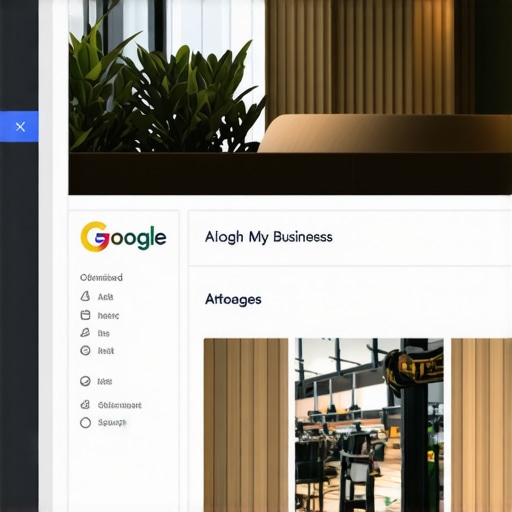
Image showcasing a well-optimized Google My Business profile on a desktop screen, highlighting complete information and quality images.
Focus on Local Keyword Strategies
Research keywords that Gilbert customers use. Tools like Google Keyword Planner help identify high-volume local terms. Incorporate these into your website content, service pages, and FAQs. I added a dedicated Gilbert services page, targeting phrases like “best Gilbert landscaper,” which drove targeted traffic and boosted local leads. Remember, keyword stuffing is a trap—use keywords thoughtfully and naturally.
Enhance Customer Interaction & Reviews
Encourage satisfied clients to leave detailed reviews. Respond promptly to each review to show engagement. I set up a simple follow-up email asking for feedback after service. Positive reviews, especially with keywords like “Gilbert emergency plumber,” improved my local ranking significantly. Managing and responding to reviews builds trust and signals active customer engagement to Google.
Fix Technical and Map Issues
Address common map errors. Verify your location pin doesn’t point to an adjacent property. Use tools like these fixes to beat proximity filters. I once adjusted my map’s coordinates to precisely match my shop’s entrance, which resulted in better visibility in Gilbert’s local 3-pack.
Implement Strategic Content & Local Signals
Create localized content such as blog posts on Gilbert community events or local news. Embed neighborhood keywords to signal relevance. Also, ensure your website URL matches your NAP data for consistency. This reinforces your local presence and improves rankings in AI-driven map filters.
Monitor & Tweak Regularly
Use analytics tools to track your local search performance. Regularly audit your GMB profile and Map presence for issues—like ghosts or missing pins. I scheduled bi-weekly checks and made small updates, which kept my profile healthy and rankings stable despite algorithm changes. For comprehensive audits, consider consulting specialized guides such as this local SEO audit checklist.
Many Gilbert business owners believe that focusing solely on reviews and NAP consistency guarantees top Google Maps rankings, but in reality, the local SEO landscape has become far more nuanced. For instance, a widespread misconception is that keyword stuffing in your profile description alone can outrank competitors, yet Google’s updated filters now penalize such tactics, emphasizing natural, user-focused content instead. Relying on outdated strategies like multiple fake reviews or neglecting technical map adjustments is a risky game that often leads to a sudden drop in visibility, especially with the advanced AI filters introduced in 2026. To avoid falling into these traps, it’s crucial to understand that map optimization involves a blend of accurate data, high-quality visuals, localized content, and strategic technical fixes, such as ensuring your map pin points exactly to your storefront. Overlooking these factors often results in what I call the ‘Map Blind Spot’—a situation where your profile appears complete but isn’t visible in the critical local pack. Have you ever fallen into this trap? Let me know in the comments.
Click here to discover how map fixes can boost your Gilbert shop’s visibility. Additionally, many assume that once their GMB profile is set, it no longer needs regular updates, but Google’s algorithms prioritize fresh, relevant signals—like new local content and timely responses to reviews. This misunderstanding can cause your rankings to plateau or even decline over time. Remember, local SEO isn’t a one-and-done task—it requires ongoing attention, especially given the sophisticated AI-driven filters employed in 2026. So, instead of relying on static tactics, focus on continuous optimization, including technical map fixes and localized content updates. Want a detailed breakdown of fixing your low lead volume? Check out this guide that dives deep into advanced strategies tailored for Gilbert’s competitive market.Maintaining your Gilbert local SEO effectively requires the right tools, consistent effort, and a strategic approach. One of my go-to resources is BrightLocal, which provides comprehensive local search ranking reports and review management capabilities. I personally rely on it daily to track fluctuations in rankings and identify areas needing quick attention, especially when Google’s AI updates shake up the local map pack. For map-specific issues, I use Moz’s Local Tool to audit and correct NAP inconsistencies and map pin errors, ensuring my profile is aligned with current best practices, as detailed in this recent Gilbert map audit. In addition, I utilize keyword tracking tools like SEMrush to monitor the keywords my clients rank for in Gilbert and nearby neighborhoods, which helps tailor content and adjust strategies proactively. Predicting where local search is headed, I believe the integration of voice search and AI-driven personal assistants will become more prominent, making it essential to optimize for natural language queries and local intent. How do I keep my SEO strategies sustainable over time? The secret lies in ongoing maintenance: regularly updating GMB profiles with fresh photos and posts, fixing map inaccuracies, and continuously creating location-specific content. I also recommend setting up Google Alerts for your brand and competitors to stay informed about local developments or search algorithm changes.RELATED: To dive deeper into map maintenance, check out these map fixes for Gilbert. Don’t overlook the importance of routine map audits; even small errors can cause your profile to fall behind competitors. Make it a habit to review your map and profile every month, and implement minor updates to keep your listing fresh and relevant. Remember, long-term success in Gilbert SEO involves disciplined use of these tools, regular adjustments, and strategic content creation. I suggest trying out the detailed checklist from this guide for consistent profile health. Start today by scheduling a map audit, then implement one small fix—your future rankings will thank you.
The Hardest Lesson I Learned About arizona local seo,gilbert seo,google maps gilbert,gmb arizona,maps optimization gilbert
One of my biggest breakthroughs came when I realized that technical map adjustments can dramatically alter your shop’s visibility. I once ignored map pin precision, leading to missed local pack appearances, until I dug into this insightful map audit. That small fix led to an immediate boost in Gilbert’s competitive landscape. Additionally, I learned that creating hyper-local content about Gilbert community events not only engages customers but also signals relevance to AI-driven filters, an underrated tactic that can land you the top spot. Lastly, I discovered that maintaining a dynamic review strategy—promptly responding and encouraging detailed feedback—builds both trust and signals active engagement, which Google loves. These lessons shifted my approach from reactive to strategic, and I wish I had started applying them earlier.